Lab Grown vs Natural Diamonds: The 2026 Guide
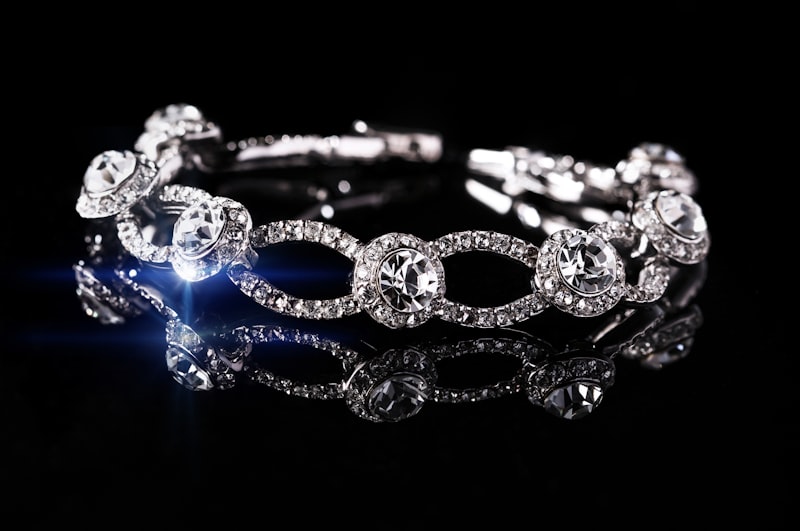
Lab grown diamonds are projected to account for half of all diamond jewelry sales by 2030. But are they actually the same as natural diamonds? And is one really “better” than the other?
We compared them on every factor that matters — price, quality, ethics, resale value, and more — so you can make an informed decision.
What Are Lab Grown Diamonds?
Lab grown diamonds are real diamonds. They have the exact same chemical composition (pure carbon), crystal structure, and physical properties as natural diamonds. The only difference is their origin.
Natural diamonds formed deep in the Earth’s mantle over 1-3 billion years under extreme heat and pressure. Lab grown diamonds are created in a laboratory in 6-10 weeks using one of two methods:
- HPHT (High Pressure High Temperature) — mimics the natural process
- CVD (Chemical Vapor Deposition) — builds the diamond layer by layer from a gas
The Full Comparison
Price
This is the biggest differentiator. Lab grown diamonds cost 60-80% less than natural diamonds of equivalent size and quality.
A 1-carat natural diamond: $4,000-8,000 A 1-carat lab grown diamond: $800-2,000
That means you can either save thousands, or get a much larger stone for the same budget.
Visual Quality
To the naked eye, there is zero difference. Even most jewelers can’t tell them apart without specialized equipment. Lab grown diamonds have the same fire, brilliance, and sparkle as natural ones.
Durability
Identical. Both score 10 on the Mohs hardness scale. Both will last forever with normal wear.
Ethics
Lab grown diamonds have a clear advantage here. Diamond mining has a history of environmental damage and human rights concerns. Lab grown diamonds require significantly less land disruption and have a more transparent supply chain.
That said, the natural diamond industry has made significant progress with programs like the Kimberley Process, and many retailers now offer conflict-free certified stones.
Environmental Impact
Lab grown diamonds use significant energy to produce, but their overall environmental footprint is generally considered smaller than mining. However, the exact comparison depends on the energy source used by the lab.
Resale Value
This is where natural diamonds have an edge. Natural diamonds hold their value better over time, though neither is a great financial “investment.” Lab grown diamond prices have been declining as production scales up.
Certification
Both types can be certified by the same gemological laboratories (GIA, IGI, GCAL) using the same grading criteria — cut, color, clarity, and carat weight.
Who Should Choose Lab Grown?
- You want the biggest, most beautiful diamond possible for your budget
- Ethics and environmental impact are important to you
- You care about how it looks, not where it came from
- You’re buying fashion jewelry rather than an heirloom piece
Who Should Choose Natural?
- Resale value matters to you
- You value the rarity and geological story of a natural stone
- You’re buying a generational heirloom
- You prefer the traditional choice
The Bottom Line
There is no wrong answer here. Both are real diamonds. Both are beautiful. The “best” choice is whichever one aligns with your values and budget.
If you prioritize size and value: go lab grown. If you prioritize tradition and resale: go natural. Either way, you’re getting a stunning diamond.